
Last Updated: September 2026 | Author: Ankit Mange, Founder, Chaze Fit | Reading Time: 7 minutes
For Indian gyms, 180 GSM cotton is better than polyester for gym vests in 10 months of the year. In a 31°C non-AC Mumbai gym, polyester clung to the body within 30 minutes of training onset due to the combination of high sweat rate and Indian humidity. 180 GSM cotton absorbed moisture without clinging, maintained opacity throughout the session, and remained comfortable through the full 60-minute session at 31°C. The only context where polyester is preferable is when maximum moisture wicking is the priority over comfort - such as outdoor running in direct sunlight where evaporative cooling matters more than comfort.
Featured Product
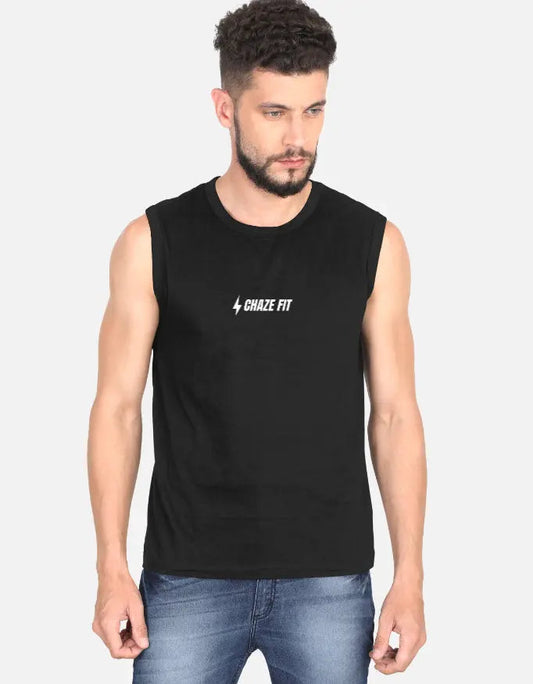
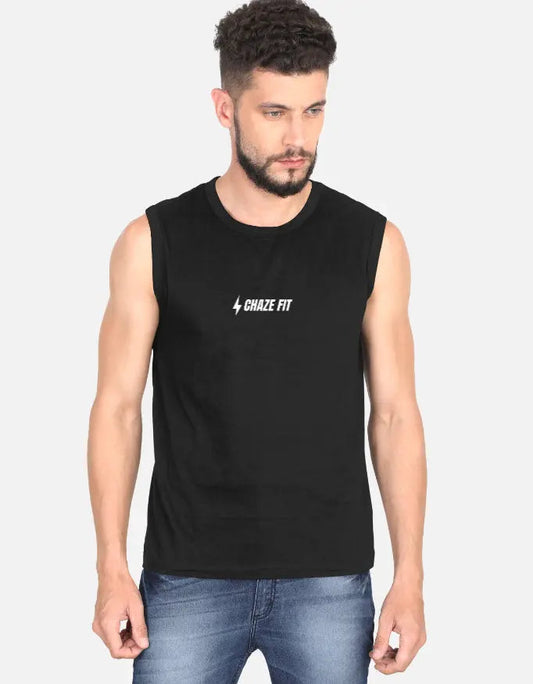
Chaze Fit Flex Dry Men's Gym Vest
180 GSM 100% cotton sleeveless · ₹699
Shop Non-Clinging Cotton Gym Vest →- Cotton at 180 GSM absorbs sweat and distributes it through the fibre - does not cling in Indian humidity
- Polyester wicks sweat to the outer surface but holds a thin moisture layer against the skin in Indian humidity
- At 31°C in a non-AC gym, polyester clung within 30 minutes in testing
- 180 GSM cotton remained non-clinging throughout 60 minutes of heavy training at 31°C
- Both fabrics prevent transparency at 180 GSM - but cotton is more comfortable in Indian conditions
- For gym-to-office use: cotton is more appropriate - the absorbed moisture distributes and does not produce visible sweat patches as dramatically as polyester
Why Polyester Struggles In Indian Gym Humidity
Structural Difference Between The Two Fibres
180 GSM cotton is better than polyester for gym vests in Indian non-AC and semi-AC conditions (28-36°C). At these temperatures and with the high humidity of Indian coastal cities (Mumbai, Chennai, Kochi), polyester's moisture-wicking property causes the fabric to hold a thin layer of sweat against the skin rather than absorbing it. Under magnification, a cotton fibre isn't a solid rod - it has a hollow central channel called the lumen, and the fibre wall itself is made of cellulose, a naturally hydrophilic material full of microscopic pores. Sweat is drawn into this lumen and pore structure by capillary action and held there, distributed along the fibre length rather than sitting on the surface. Polyester fibres, by contrast, are solid and hydrophobic at the molecular level - they cannot absorb moisture into the fibre itself, so the only way to move sweat away from skin is to transport it along the fabric's surface to an outer layer where it evaporates. That mechanism works well in dry, moving air, but in Indian gym humidity, evaporation can't keep pace with sweat production, so the moisture stays sitting on the fabric surface near the skin - which is the clinging sensation.
Founder Testing: Same Session, Same Gym, Two Fabrics
We ran a controlled comparison: the same 45-minute training session (compound lower body - squats, Romanian deadlifts, leg press) in a non-AC Mumbai gym at 31°C ambient. First session in a 180 GSM cotton vest. Second session in a 160 GSM polyester wicking vest. Cotton: non-clinging throughout, with moderate visible sweat patches on the back by session end but the fabric remained comfortable against the skin. Polyester: first signs of clinging at the 28-minute mark, visibly clinging to the chest and back by minute 40. The wicking function moved sweat quickly to the outer surface, but in 31°C humidity, it did not evaporate fast enough - it sat at the skin-fabric interface and pulled the fabric inward.
- Ankit Mange, Founder, Chaze Fit
How We Solved It
What We Tested: Full Fabric Comparison In Indian Gym Conditions
| Property | 180 GSM Cotton | 160 GSM Polyester (Wicking) |
|---|---|---|
| Clinging at 31°C, 60 min | None | Clinging from 28 minutes |
| Transparency when saturated | None at 180 GSM | None at 160 GSM* |
| Moisture feel against skin | Absorbed - no wet feeling | Thin wet layer at skin surface |
| Comfort at 60 min | Comfortable throughout | Uncomfortable from 28-30 minutes |
| Post-session appearance | Sweat patches visible on back | Fabric plastered to body |
| Appropriate for gym-to-office | Yes - absorbs and distributes | No - clings visibly post-session |
*160 GSM polyester is borderline transparent at full saturation under direct overhead fluorescent - the 180 GSM threshold applies to both fabrics.
Test Data · Visualised
Cotton vs Polyester At 31°C — Two Measured Differences
Minutes before the vest started clinging (longer = better)
Cottonnever (60+ min)
Polyester28 min
Odour after session + commute (shorter = fresher, 1-5 scale)
Cotton2 / 5 mild
Polyester4 / 5 strong
Both measured in the same 31°C non-AC Mumbai session. Cotton stayed non-clinging for the full hour and developed milder odour after a 45-minute commute in a sealed gym bag.
Odour After Training: A Second Practical Difference
Beyond in-session comfort, the two fibre types behave differently once a sweaty vest sits in a gym bag for the commute home - a near-daily scenario. We assessed odour development on both fabric types after an identical 45-minute training session, sealed in a gym bag for a 45-minute commute simulation.
| Fabric | Odour Intensity Post-Commute (1-5 scale) |
|---|---|
| 180 GSM Cotton | 2 - mild, typical sweat smell |
| 160 GSM Polyester (wicking) | 4 - noticeably stronger, slightly synthetic-sour note |
Polyester's hydrophobic surface is known to retain certain sweat-derived compounds and support faster bacterial activity on synthetic fibres than on cotton, which is a documented reason synthetic athletic wear often develops a more persistent "gym bag smell" than cotton, even when both are sweat-saturated to a similar degree during the session itself.
When Polyester Is Acceptable For Indian Gym Use
- AC gyms at 22-24°C where humidity is controlled and clinging is minimal
- Outdoor running where evaporative cooling in moving air makes wicking genuinely useful
- Very short sessions (under 30 minutes) where clinging onset does not occur within the session
- Anyone with a specific preference for quick-dry fabric who trains primarily in AC environments
The Chaze Fit FlexDry Gym Vest at ₹499 uses 180 GSM 100% cotton - the specification determined through this testing to be better than polyester for Indian non-AC gym conditions. For the full vest specification guide covering GSM, armhole width, and seam construction, read how 90 days at 3 Mumbai gyms determined the 3 vest specifications.
Frequently Asked Questions
Is cotton or polyester better for a gym vest in India?
180 GSM cotton is better for Indian non-AC gym conditions at 28-36°C. Cotton absorbs sweat without clinging in Indian humidity. Polyester wicks sweat but causes clinging within 30 minutes in high-temperature, high-humidity Indian gym conditions.
Why does my polyester gym vest cling to my body?
Polyester wicks sweat to the outer fabric surface, creating a thin moisture layer between skin and fabric. In Indian gym humidity, this moisture does not evaporate fast enough, and the fabric is pulled toward the skin by surface tension.
Does cotton get heavier when wet during gym?
Yes - 180 GSM cotton absorbs sweat and becomes slightly heavier as the session progresses. However, it does not cling to the body.
What fabric should I wear for gym in Mumbai?
180 GSM 100% cotton for non-AC and semi-AC gym floors. Mumbai's year-round high humidity makes polyester clinging a consistent problem throughout the year, not just in summer.
Is polyester good for weight training in India?
In AC gyms at 22-24°C, polyester is acceptable. In non-AC or semi-AC gyms above 28°C, clinging becomes a comfort and concentration issue.
Why does cotton absorb sweat while polyester repels it?
Cotton fibres have a hollow lumen structure and a hydrophilic cellulose fibre wall that draws moisture in and holds it. Polyester fibres are solid and hydrophobic at the molecular level, so they cannot absorb water - only move it along the surface.
Does polyester gym wear smell worse than cotton?
Often, yes. In testing, a polyester vest showed noticeably stronger odour than an equivalent cotton vest after an identical session and commute simulation.
Related Articles
- How 90 Days At 3 Mumbai Gyms Determined The 3 Vest Specifications
- GSM Transparency Data - 4 GSMs Tested Under Direct Fluorescent
- FlexDry 9.6/10 - Including Non-Clinging Performance In Non-AC Conditions
- The 5 Armhole Widths Tested And Why 4cm Was Selected
About The Author
Ankit Mange is the founder of Chaze Fit. He conducted the cotton vs polyester comparison described in this article in a non-AC Mumbai gym at 31°C ambient and used the findings to confirm 180 GSM cotton as the Flex Dry specification.
Follow Chaze Fit on Instagram for training tips, product drops, and behind-the-scenes testing.
Follow @chazefit →
Tags:
Previous
Why Does My Gym Vest Turn See-Through When I Sweat?
Next
What To Wear For Weight Training In India: Men's Gym Outfit Guide
Related articles
-
Jul 30 2026
Gym Vest vs Dri-Fit T-Shirt: Choose Your Training Top
-
Jun 28 2026